2026-10-13 ·
Maintaining Your Pool in Brisbane's Subtropical Climate
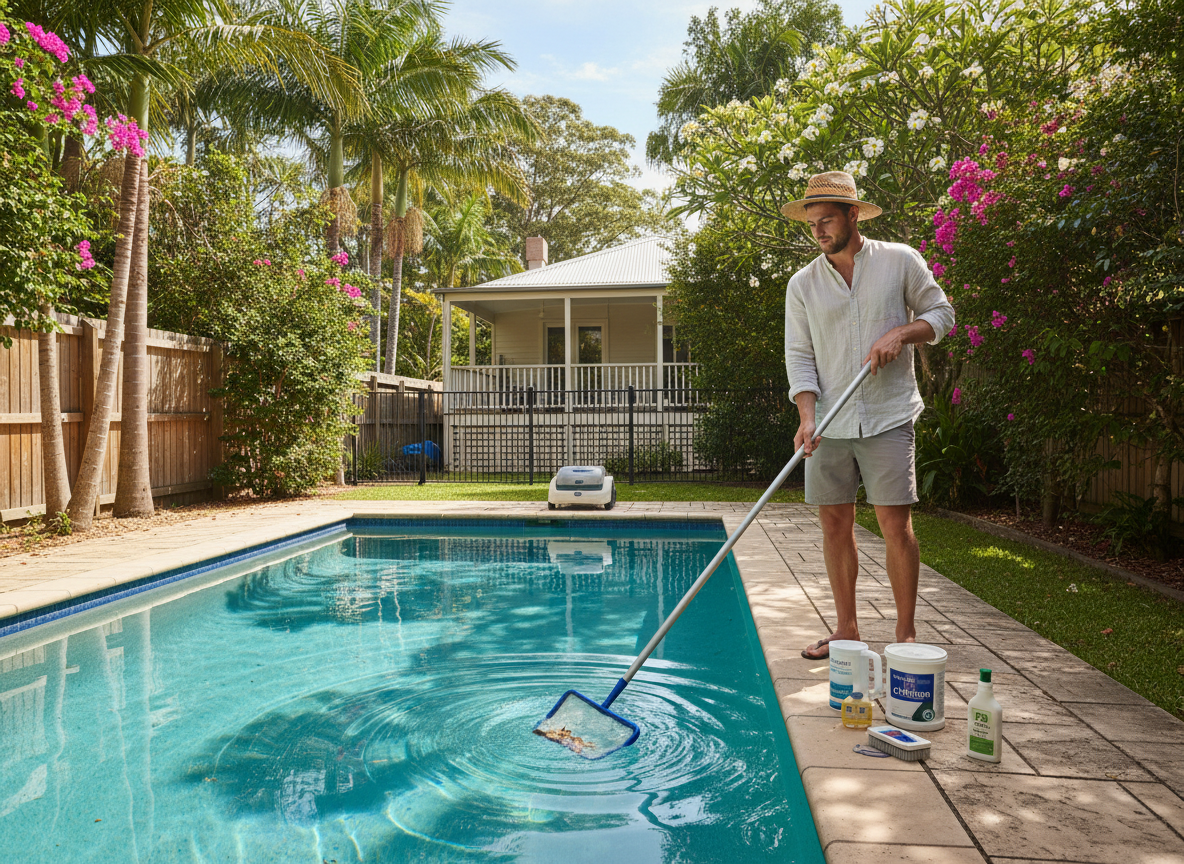
Maintaining your pool in Brisbane's subtropical climate is primarily about consistent water chemistry management, regular cleaning to combat organic matter, and diligent equipment checks to ensure proper filtration and circulation. The high humidity, frequent rainfall, and intense sunshine here create a unique environment that impacts pool water balance and encourages algae growth more readily than in drier climates. Homeowners should anticipate performing water tests 2–3 times per week during peak swimming season and at least weekly during cooler months, alongside daily skimming and weekly brushing. Equipment like pumps and filters need monthly inspections to ensure they are operating efficiently against the demands of the Brisbane weather.
Understanding Brisbane's Climate Impact on Pools
Brisbane's subtropical climate is characterised by hot, humid summers with significant rainfall, and mild, drier winters. This combination directly affects pool maintenance requirements. High temperatures increase the rate at which chlorine dissipates, meaning you'll need to monitor and adjust chlorine levels more frequently. The humidity contributes to faster evaporation and can also foster the growth of mould and mildew around the pool area. Frequent summer downpours, while refreshing, can quickly dilute pool chemicals, alter pH levels, and introduce a large amount of organic debris like leaves, pollen, and soil, particularly in areas near natural waterways such as the Cubberla Creek catchment in suburbs like Chapel Hill and Kenmore. This influx of organic material can lead to rapid algae blooms if not addressed promptly.
Essential Water Chemistry Management
Maintaining the correct water chemistry is the cornerstone of pool maintenance in Brisbane. The key parameters to monitor are pH, chlorine, total alkalinity, and calcium hardness. The ideal pH range is 7.4–7.6; deviations can reduce chlorine effectiveness and cause skin irritation or equipment damage. Free chlorine should be maintained between 1–3 parts per million (ppm) to sanitise the water effectively. Total alkalinity, ideally 80–120 ppm, acts as a buffer for pH, preventing sudden fluctuations. Calcium hardness, between 200–400 ppm, protects pool surfaces and equipment from corrosion or scaling. Regular testing with a reliable test kit or strips is crucial, especially after heavy rain or high bather load. Adjusting these levels often involves adding specific chemicals, always following manufacturer guidelines carefully.
Regular Cleaning and Debris Removal
Beyond water chemistry, physical cleaning is vital for a healthy pool. Daily skimming to remove leaves, insects, and other floating debris prevents organic matter from breaking down and consuming chlorine. Weekly brushing of the pool walls and floor helps dislodge algae and dirt before it can take hold, particularly in shaded areas or corners. Vacuuming, either manually or with an automatic pool cleaner, removes settled debris. For pools surrounded by lush landscaping, like many in the Brisbane region, consider a robotic cleaner to manage the constant influx of leaves and other plant matter. Keeping the surrounding area tidy, including trimming overhanging branches, can significantly reduce the amount of debris entering the pool. For design ideas that can minimise debris, you might find our article on Brisbane Pool Landscaping: Design Ideas for Small Yards helpful.
Filtration and Circulation Systems
Your pool's filtration and circulation system are its 'lungs' and 'heart'. The pump circulates water through the filter, removing suspended particles. In Brisbane's climate, running your pump for 8–12 hours a day is generally recommended, adjusting based on pool size, bather load, and weather conditions. Filters, whether sand, cartridge, or diatomaceous earth (DE), need regular cleaning or backwashing. A clogged filter reduces efficiency and puts strain on the pump, leading to cloudy water. Check your skimmer and pump baskets daily and empty them to ensure unrestricted water flow. Proper circulation also helps distribute chemicals evenly throughout the pool, preventing 'dead spots' where algae can proliferate. If you're considering a new pool, understanding the different types of Swimming Pool Installation options and their associated filtration systems is important.
Dealing with Algae and Other Common Issues
Algae is a common adversary for Brisbane pool owners due to the warm, humid conditions. Signs of algae include green, black, or yellow discolouration, slimy surfaces, and cloudy water. Addressing algae quickly involves shocking the pool with a high dose of chlorine, brushing affected areas vigorously, and running the filter continuously. Other common issues include cloudy water (often due to poor filtration, imbalanced chemistry, or high organic load), scaling (from high calcium hardness or pH), and staining (from metals or organic debris). Prompt identification and treatment are key to preventing minor issues from becoming major problems. Regular checks of your pool's surfaces, especially in areas like Ashgrove and The Gap, which can have high tree coverage, are important.